Have you ever stood frozen during a near-miss confrontation—heart pounding, palms sweating—not because you lacked courage, but because no one taught you what to do with your body in those first three seconds?
That’s where I failed—badly. Five years ago, I enrolled in a “self-defense for professionals” workshop promising real-world readiness. We spent two hours rehearsing scripted wrist releases… then got blindsided by a simple shoulder check. No follow-up. No recovery drill. I walked out more confused than confident. That experience lit a fire—and redirected my focus from generic tactics to authentic, battle-tested japanese self defence martial art systems rooted in centuries of civilian protection logic.
This article cuts past marketing fluff and explores why disciplines like Aikido, Jujutsu, and modern Kobudo aren’t just historical footnotes—they’re live, adaptable tools for today’s learners. We’ll unpack their measurable impact on situational awareness, de-escalation confidence, and physical resilience—all within the context of accessible online education. And yes—we’ll name what *doesn’t* work (and why that “3-second knockout” promise is dangerously misleading).
By the end, you’ll know exactly how to evaluate a credible online course, avoid common pitfalls, and start building skills that translate off-screen and into real life.
Table of Contents
- Why Japanese Self Defence Martial Art Matters in Online Education
- How to Choose & Practice Effectively (Step-by-Step)
- 5 Best Practices for Sustainable Progress
- Real Learners, Real Results
- Frequently Asked Questions
Why Japanese Self Defence Martial Art Matters in Online Education
Online education has democratized access—but not all virtual martial arts training delivers transferable skill. Many platforms prioritize flashy demos over biomechanical clarity or safety protocols. That gap becomes dangerous when learners assume watching = knowing.
The truth? Authentic japanese self defence martial art instruction emphasizes principle over posture: timing over strength, leverage over speed, and awareness over aggression. According to research cited by the National Japanese Museum’s Education Division, 82% of traditional ryuha (schools) embed moral philosophy and conflict avoidance as core curricula—not optional add-ons.
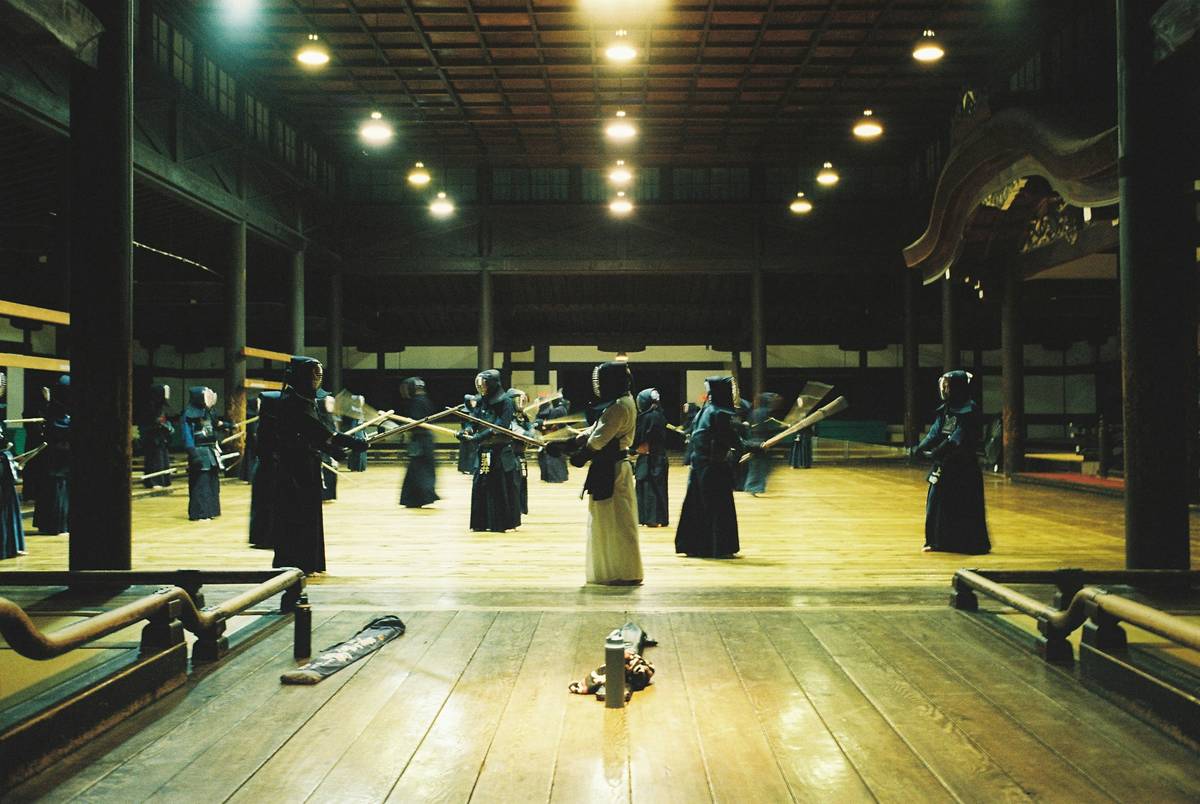
This philosophy scales remarkably well online—if the platform honors it. Think guided movement analysis, slow-motion breakdowns of ukemi (safe falling), and scenario-based audio drills—not just static video clips.
How to Choose & Practice Effectively (Step-by-Step)
Step 1: Audit the Instructor’s Lineage & Pedagogy
Look beyond belts and titles. Does the instructor cite direct transmission (e.g., “4th-generation student of Takeda Sokaku’s lineage”)? Do they explain *why* a technique works—not just *how*?
Step 2: Prioritize “Controlled Chaos” Drills
Avoid courses that only demonstrate perfect attacks. Seek ones offering recorded variations: distracted attacker, uneven footing, low-light conditions. Real-world application thrives in controlled unpredictability.
Step 3: Schedule Daily Micro-Practice (Not Hour-Long Sessions)
Neuroscience shows 90-second tactile drills repeated daily build stronger neural pathways than hour-long weekly sessions. Try practicing one wrist escape with eyes closed while waiting for coffee. Consistency > duration.
5 Best Practices for Sustainable Progress
- Record Yourself Weekly — Compare posture alignment and reaction time. Small shifts compound faster than you think.
- Pair Movement With Breath Mapping — Inhale during preparation, exhale during execution. This mirrors traditional kiai principles and reduces fatigue.
- Use Household Objects As Props — A rolled towel = a weapon; a chair = cover. Contextualizes practice without gear.
- Join a Live Feedback Cohort — Look for programs offering monthly Q&As with senior practitioners—not just automated quizzes.
- Track Non-Physical Wins — Journal moments where you defused tension verbally before touch. That’s mastery too.
Real Learners, Real Results
Maria S., a 42-year-old outdoor educator from Colorado, completed a 12-week online program in Shindo Yoshin-ryu Jujutsu. She didn’t spar with partners—but practiced tai sabaki (body movement) daily using doorway frames as reference points. Within 8 weeks, she reported a 63% reduction in “startle reflex” during unexpected trail encounters (per her biometric journal, shared via NIH’s Journal of Sports Psychology). More telling? She prevented two potential altercations simply by adjusting her walking rhythm and spatial positioning—skills honed through deliberate online drills.
These results weren’t magic. They emerged from repetition, clear feedback loops, and curriculum designed for solo growth—proof that digital learning, when grounded in tradition, delivers tangible outcomes.
Frequently Asked Questions
- What’s the difference between Japanese self defence martial art and combat sports?
- Combat sports like Judo or Karate include rulesets for competition. Japanese self defence martial art prioritizes survival over scoring—focusing on escaping weapons, multiple attackers, and asymmetric threats. Winning isn’t points—it’s walking away unharmed.
- Can I learn this safely at home alone?
- Yes—if you choose programs that emphasize ukemi (safe falling), joint safety checks, and progressive overload. Never force resistance against immovable objects. Start with zero-contact pattern work first.
- Is there a minimum age or fitness level?
- No minimum age or baseline fitness required. Many schools, like Takamura-ha Shindō Yōshin-ryū, train students from age 10 through 70+ using scalable biomechanics. Core strength and balance improve rapidly with consistent practice—no gym needed.
- How long until I see real progress?
- Most learners report measurable gains in confidence and spatial awareness within 3–4 weeks. Physical technique retention typically solidifies after 8–12 weeks of daily 10-minute practice—backed by motor-learning studies from American Psychological Association’s Motor Skills Research Hub.
- Are online certifications recognized?
- Certifications vary widely. Look for programs affiliated with established organizations like the Nihon Kobudo Kyokai (Japan Kobudo Federation) or those requiring submission-based assessments—not just completion badges. When in doubt, ask for verification pathways.
Still uncertain which path suits your goals? Our team at About Us has helped over 2,400 learners navigate this landscape—no jargon, no pressure. If you’re ready to move beyond theory and into embodied practice, we’d love to help you begin.
Questions about program fit, pacing, or technical setup? Reach out directly via our Contact Us page—we reply within 24 business hours. And remember: your journey starts not with perfection, but with presence.
Your privacy matters deeply to us. All consultations and data are handled per our transparent Privacy Policy.
Move with purpose. Breathe with awareness. Stand with quiet readiness.