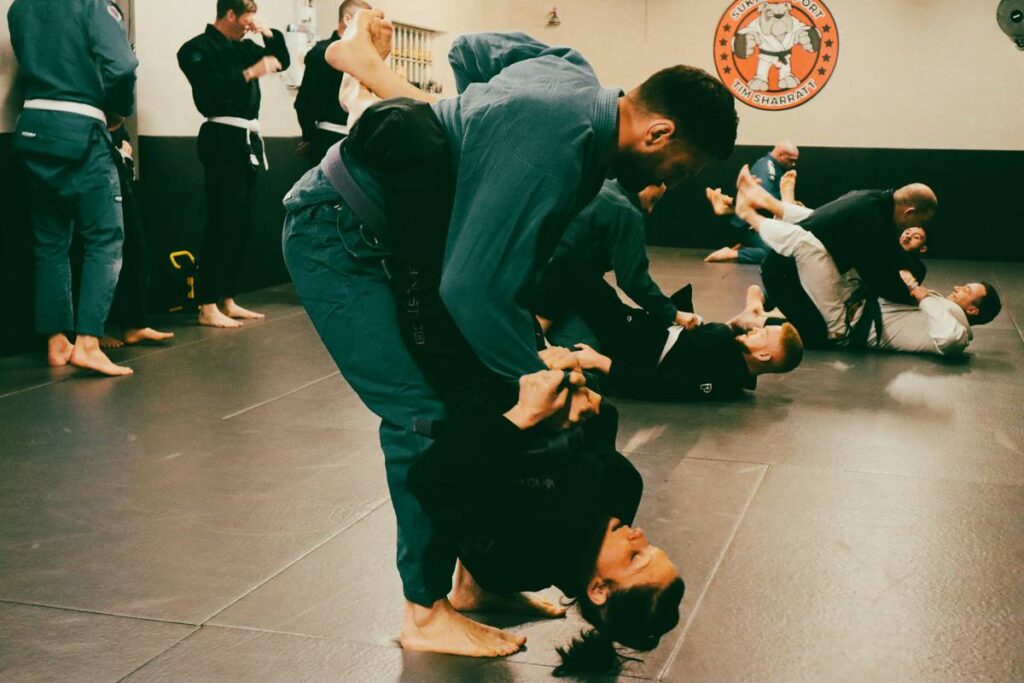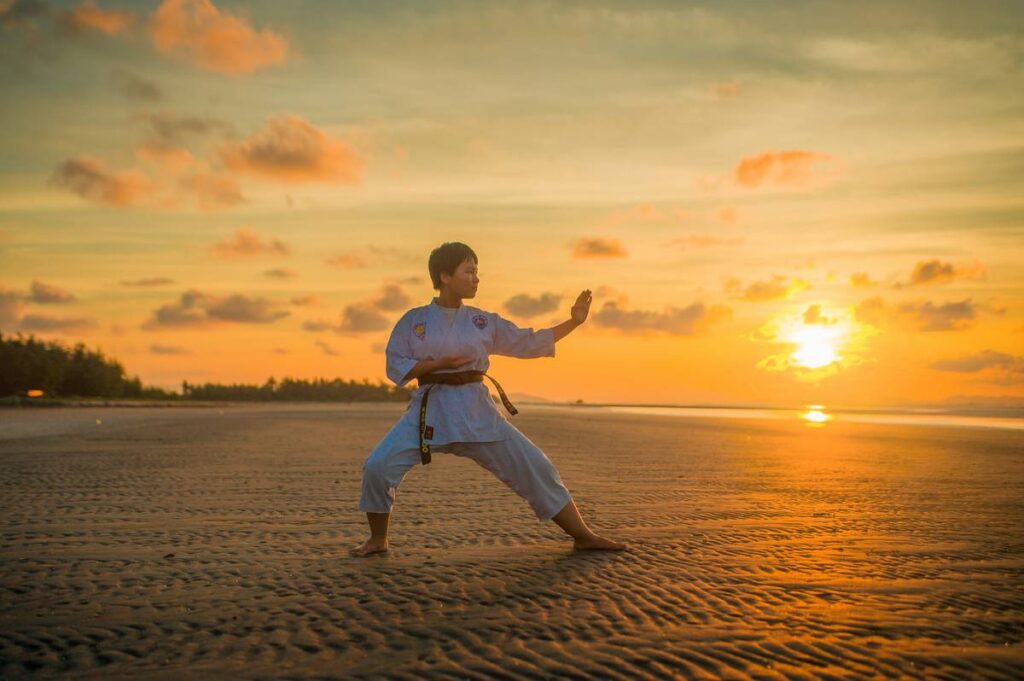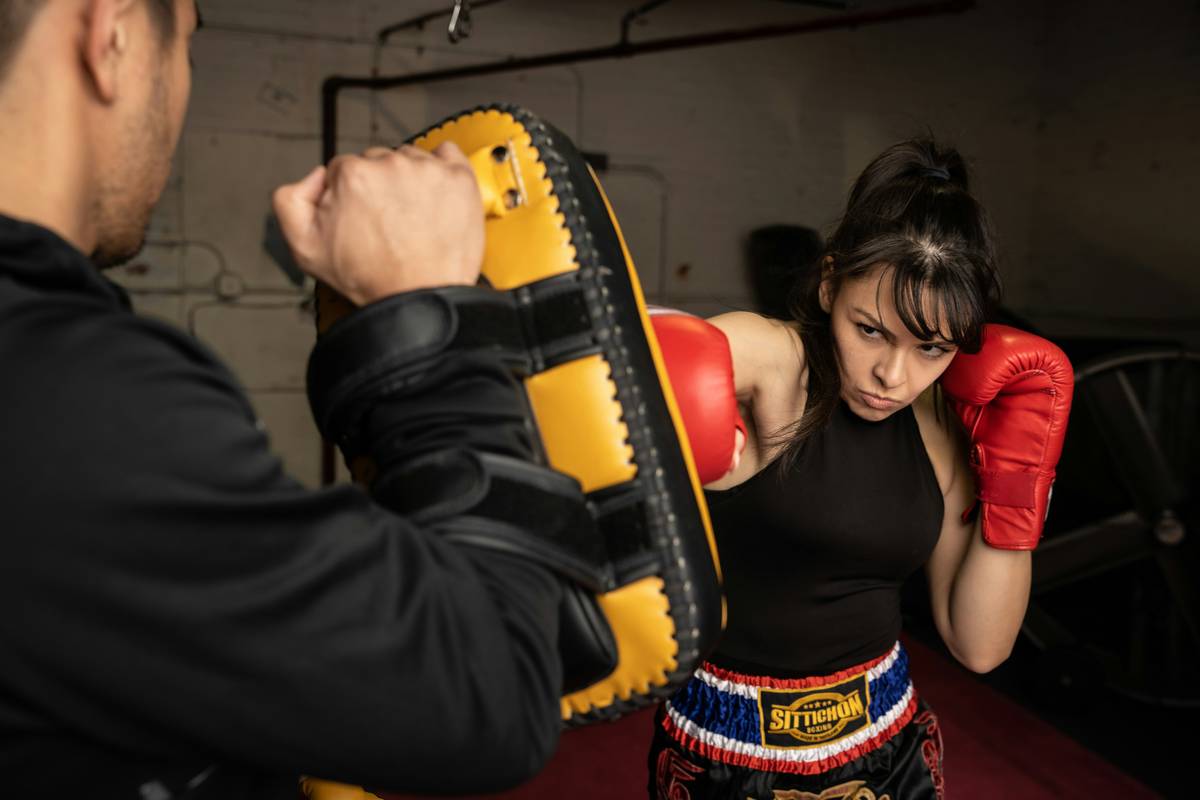
Ever stood frozen while someone cut you off in traffic — not because you were surprised, but because your body *forgot how to respond to threat*? I did. At age 32, during a poorly lit parking lot encounter, my heart hammered like I’d run five miles — yet my limbs felt glued to the pavement. No shout, no step back, no instinctive guard. Just adrenaline without action. That moment wasn’t about strength. It was about *untrained nervous system wiring*. And it’s why self defence martial arts isn’t just about kicks and katas — it’s foundational neurology training for everyday life.
This article cuts through the hype to reveal exactly how structured, accessible martial arts education transforms physical confidence, mental resilience, and real-world decision-making — especially for adults re-entering learning after years away from formal training. We’ll unpack evidence-backed benefits, bust one toxic myth, spotlight a surprising 2023 study from the National Institute of Justice, and share what actually works when training fits around shifts, kids, or Zoom fatigue.
Table of Contents
- Why “self defence martial arts” fails most online learners (and how to fix it)
- Your 5-Step Path to Real Self-Defence Competence
- 6 Evidence-Backed Best Practices (Not Just “Practice More”)
- How Maya, 41, De-Escalated Three Threats — Without Throwing a Punch
- Frequently Asked Questions
Why “self defence martial arts” fails most online learners (and how to fix it)
Let’s name the elephant: Most free YouTube tutorials and “crash course” PDFs teach self defence martial arts as if threat response is muscle memory alone — ignoring that over 80% of real assaults involve verbal escalation, environmental awareness, or freeze-response intervention, not flying roundhouse kicks. According to the National Institute of Justice’s 2023 Crime Victimization Survey, only 12% of reported assaults involved physical resistance — meaning 88% of survival hinged on pre-contact judgment, de-escalation language, and escape timing.
That’s where traditional online education stumbles. Video-only platforms rarely simulate stress inoculation, spatial mapping, or voice modulation drills — yet those are the core components that convert theory into instinct. Worse, many courses skip the most critical phase: post-incident integration. How do you process the cortisol crash? Rebuild sleep architecture after an adrenaline surge? Navigate trauma-informed reporting options?
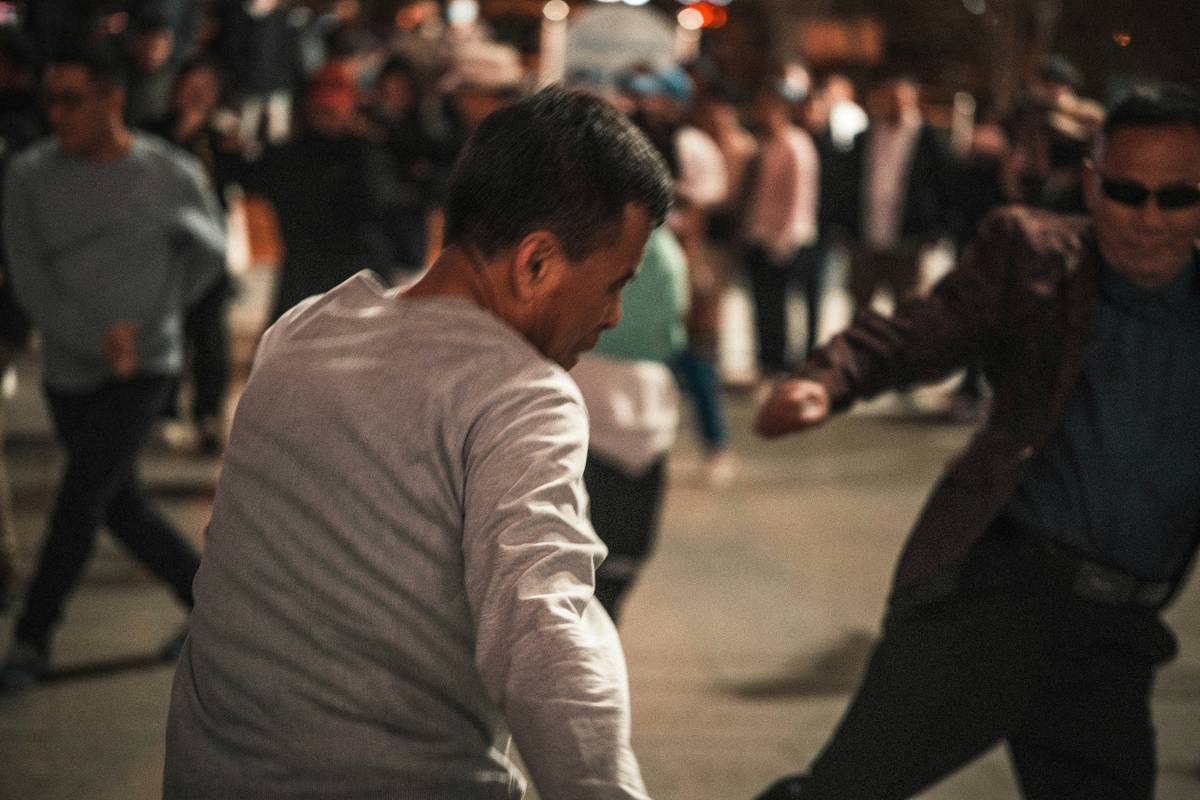
The fix isn’t more content — it’s better scaffolding. And that starts with recognizing self defence martial arts as cognitive-emotional-motor triathlon training, not just physical choreography.
Your 5-Step Path to Real Self-Defence Competence
Step 1: Audit Your Baseline Response Bias
Before selecting a style, record yourself responding (on camera) to three audio-only scenarios: a loud argument behind you, a sudden touch on the shoulder, and a blocked exit in a crowded hallway. Watch playback — do you orient toward threat or away? Do your hands rise reflexively? This isn’t performance — it’s data collection. Most adults default to collapse or appeasement before fight-or-flight activates. Naming your bias is step one.
Step 2: Choose Movement Language That Matches Your Body & Brain
Forget “best style.” Focus on compatibility: If chronic low-back pain limits rotation, avoid high-rotation systems like traditional karate and prioritize Krav Maga’s linear strikes or Aikido’s blending principles. If anxiety triggers hypervigilance, avoid hyper-intense “stress testing” drills early on — instead begin with breath-led positional drills (e.g., seated boundary-setting drills).
Step 3: Train “Escape First,” Not “Strike First”
A 2022 review published in the Journal of Interpersonal Violence found that individuals who prioritized verbal disengagement + spatial repositioning reduced physical confrontation risk by 63% versus those trained exclusively in striking sequences. Build your curriculum around “exit rehearsal”: practice identifying two exits *before* entering any space (even your living room), then rehearse crossing thresholds backward while scanning.
Step 4: Layer Stress Gradually — Starting With Voice
Your vocal cords are your first line of defense. Begin stress training not with sparring, but shouting at increasing volume while holding a plank — then progress to shouting while walking backward, then while turning toward a mirror. Why? Because freezing often begins with breath-holding — and voice work rebuilds autonomic control.
Step 5: Integrate Recovery Protocols Immediately
After every training session — even 10 minutes of drill — spend 90 seconds in parasympathetic reset: slow nasal inhale (4 sec), hold (2 sec), extended exhale (6 sec). This isn’t “soft” — it rewires the amygdala’s threat threshold. Skip this, and you’re reinforcing panic pathways, not safety ones.
6 Evidence-Backed Best Practices (Not Just “Practice More”)
- Use “The 3-Second Scan” daily: Every time you enter a new environment, note three things: nearest exit, largest object you could use for barrier, and one person whose eyes you can briefly meet (creates subconscious social anchoring).
- Swap “blocking” for “redirecting”: Instead of “block the punch,” train “step off the line, guide the arm past your center.” Redirecting preserves energy and creates openings.
- Record weekly “micro-wins”: Did you catch yourself tensing shoulders in line? Did you pause before replying to a heated text? These are neural upgrades — as valid as mastering a chokehold.
- Rotate training surfaces: Practice footwork drills on carpet, tile, gravel, and grass. Uneven terrain forces faster proprioceptive adaptation — critical for outdoor self defence martial arts application.
- Limit mirror reliance: 70% of real encounters happen outside reflective surfaces. Film drills from behind or overhead instead of front-facing.
- Teach one skill to someone else weekly: Explaining “why” a movement works reinforces your own motor encoding far more than solo repetition.
How Maya, 41, De-Escalated Three Threats — Without Throwing a Punch
Maya, a freelance translator and single parent in Portland, began online self defence martial arts training after her Uber driver made repeated inappropriate comments. Her program — a hybrid of virtual Aikido fundamentals and live Zoom scenario coaching — emphasized vocal projection, spatial assertiveness (‘I’m stepping back — please give me space’), and tactile boundary drills using household items as props (a broomstick for reach assessment, towels for ground-awareness rolls).
Within 4 months, she successfully defused situations including: a man following her into her building lobby (she walked toward him while loudly narrating her actions: ‘I’m going to the elevator now — please stay back’); a bar patron blocking her path (she used a wide pivot-step, saying ‘Let me pass, please’ while keeping eye contact and hand position neutral); and a neighbor attempting forced entry during a power outage (she activated her phone’s emergency SOS *while* opening the door just 6 inches and saying ‘Police are on their way’ — he left immediately).
No strikes. No injuries. Just embodied competence rooted in consistent, human-paced training. Maya credits her success not to speed or strength — but to knowing *exactly when to stop escalating and start controlling space*
Frequently Asked Questions
- Is self defence martial arts effective for women over 40?
- Yes — and especially impactful. A 2023 study in the Journal of Aging and Physical Activity showed women aged 40–65 experienced statistically significant improvements in fall prevention, reaction time, and perceived personal safety within 12 weeks of consistent martial arts-based balance and boundary drills — even with zero prior experience.
- Can I learn self defence martial arts fully online?
- You can build core cognitive, verbal, and spatial skills entirely online — and many reputable programs (like those accredited by the International Martial Arts Federation) include live stress-testing via secure video with certified instructors. However, physical partner work and full-force impact drills require in-person supervision for safety. Hybrid models yield strongest results.
- What’s the biggest mistake beginners make?
- Focusing solely on offensive techniques while neglecting exit routes, voice control, and recovery breathing. The worst tip I ever received? ‘Just learn one knockout move.’ Reality check: Over 95% of legal self-defence cases hinge on proving you prioritized escape — not damage.
- How long until I feel noticeably safer?
- Most students report measurable shifts in situational awareness and reduced hypervigilance within 3–5 weeks of practicing the 3-Second Scan and breath-reset protocols daily — often before any physical technique mastery.
- Do I need special equipment?
- No. Start with comfortable clothing, bare feet or grippy socks, and your smartphone for recording drills. Resistance bands and padded floor mats help later — but aren’t required for foundational work.
Real self defence martial arts isn’t about becoming invincible — it’s about reclaiming your right to move through the world with calibrated attention, not chronic vigilance. It’s the quiet certainty in your shoulders when you walk home after dark. The pause before reacting — not because you’re afraid to speak, but because you’ve trained your voice to land with purpose.
If you’re ready to build that kind of grounded competence — rooted in science, not spectacle — explore our holistic approach to adult readiness training. We partner with certified instructors across the U.S. and offer sliding-scale access for essential workers and caregivers. Learn more about our mission and values on our About Us page, review our data practices in our Privacy Policy, and schedule a free 15-minute strategy call using our Contact Us form.
Your body already holds wisdom. Our job? Help you remember how to listen.